Blush: Rehabilitation after Cesarean Section
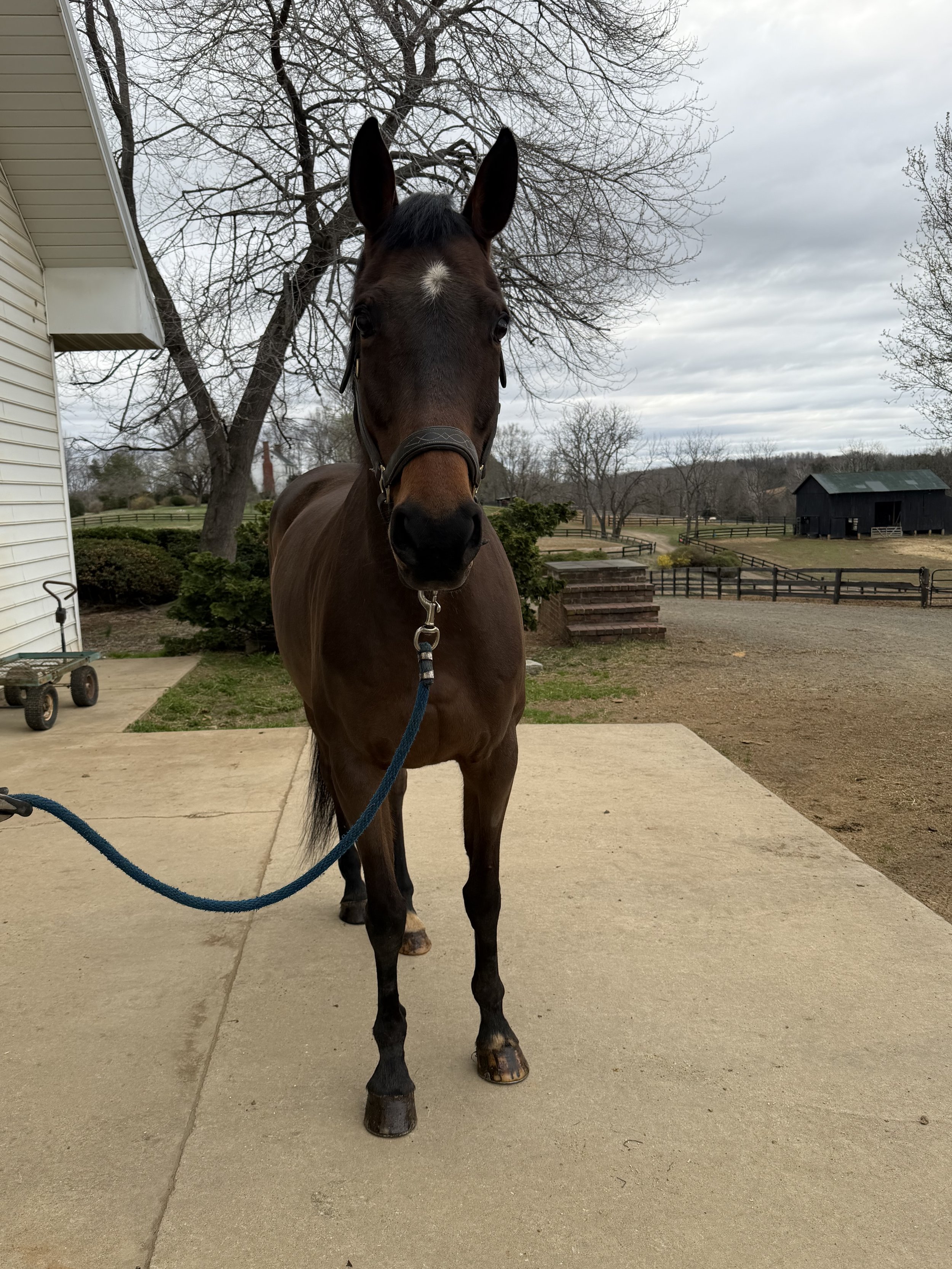
Blush, a 15-year-old Thoroughbred/Warmblood cross, presented to Veterinary Rehabilitation Services of Virginia six months following a cesarean section. Her primary goals were to safely return to work while rebuilding core strength, topline musculature, and overall stability after surgery.
Cesarean section is a significant abdominal procedure requiring careful consideration during recovery, particularly in performance horses. In addition to incision healing, there is disruption to the abdominal musculature and supporting structures that play a critical role in posture, balance, and movement.
Initial Evaluation and Rehabilitation Plan
On presentation, Blush demonstrated expected post-operative deficits in core strength and topline engagement. A structured rehabilitation program was implemented to support healing while progressively restoring strength and function.
Her program included:
Core strengthening exercises to target abdominal and postural muscles
Vibration plate therapy to facilitate muscle activation
Balance pad work to improve proprioception and stability
Aquapacer sessions for controlled, low-impact conditioning
Use of Pessoa and Equiband systems to encourage correct posture and topline development
These modalities allowed for early engagement of key muscle groups while minimizing strain on healing tissues.
Progression Under Saddle
After several weeks of foundational strengthening, light work under saddle was introduced in addition to her ongoing rehabilitation program. Exercise progression was gradual and based on her tolerance and response to work:
Introduction of walking under saddle with incremental increases in duration
Addition of trot sets to build strength and cardiovascular fitness
Incorporation of ground poles to promote coordination and topline engagement
Careful reintroduction of canter work as strength and stability improved
Each stage of progression was monitored closely to ensure appropriate loading without compromising surgical recovery.
Outcome
Blush demonstrated steady improvement throughout her rehabilitation program, with notable gains in core strength, topline development, and overall way of going. She was able to successfully return to work with improved postural support and movement quality.
Post-cesarean rehabilitation is important to optimize recovery and performance outcomes. Without appropriate conditioning, horses may experience persistent core weakness, compensatory movement patterns, and increased risk of secondary injury.
Blush’s case highlights the importance of a structured, progressive rehabilitation program following abdominal surgery to support a safe and effective return to athletic function.